Dunellen Top Home Remodeling Contractor for Quality Renovations
Dunellen Top Home Remodeling Contractor for Quality Renovations
Blog Article
What Does Your Remodeling Package Include? A Complete Handbook for Your Renovation Requirements
Remodeling services include numerous essential elements intended to enable effective remodels. These include consultation services, choosing materials, and project management. Each phase plays an important role in creating a unified result. Comprehending these elements can significantly influence the quality and efficiency of the remodel. Yet, many property owners miss important factors that can influence their total satisfaction. What should one focus on when starting on such a undertaking?
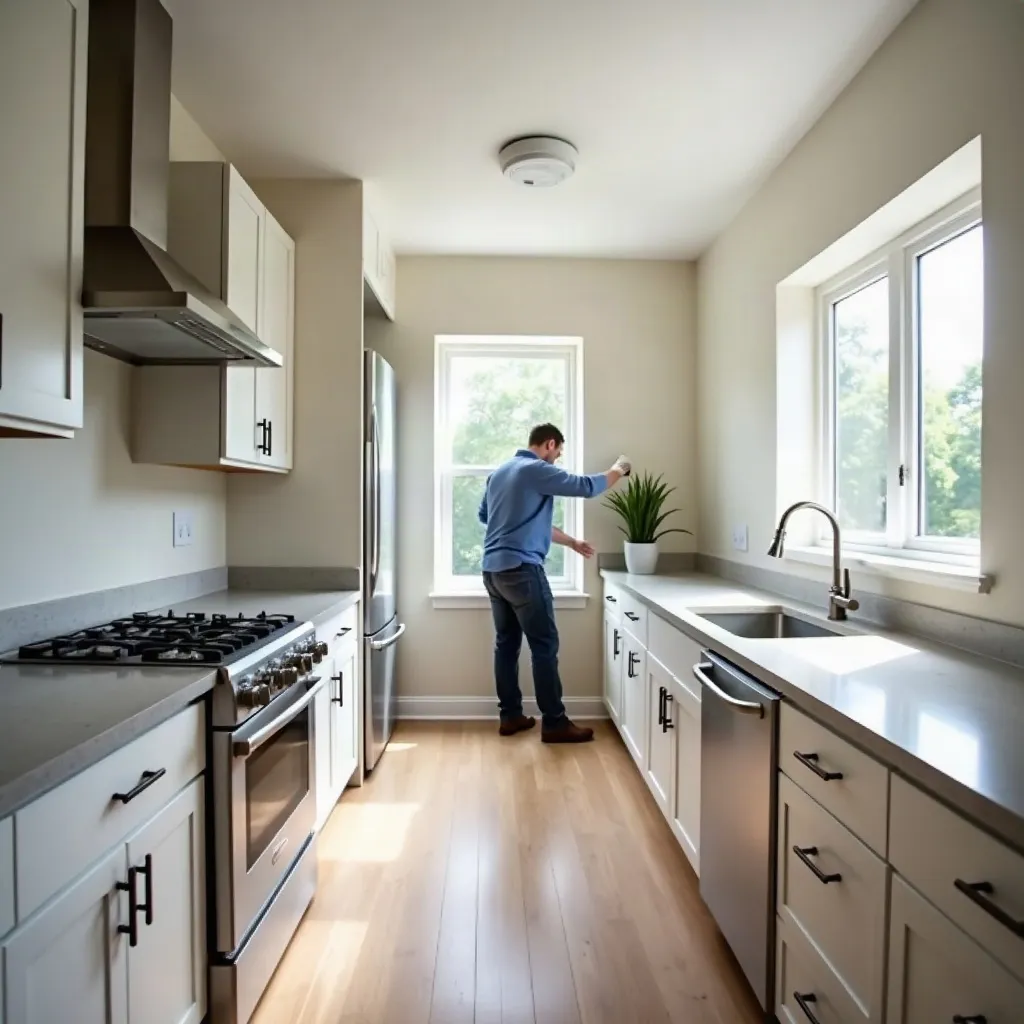
What Are the Principal Aspects of Home Renovation Solutions?
When assessing remodeling offerings, understanding the essential elements is vital for a successful project. Key elements typically consist of planning, financial planning, choosing contractors, and project management. The design phase includes envisioning the fresh arrangement and aesthetics, making sure it aligns with the homeowner's vision. Budgeting is essential, as it encompasses all expenses, from materials to labor, and helps prevent overspending.
Choosing a established contractor is another important component, as their competence directly influences the quality and speed of the remodel. Homeowners should review factors such as experience, references, and previous work.
To summarize, capable project management ensures that timelines are met and that exchange between all parties stays transparent throughout the undertaking. By understanding these components, homeowners can navigate the challenges of renovation services, ultimately resulting in a effective remodel that fulfills their requirements and desires.
Finding the Right Design Professional Meeting: Vital Aspects to Think About
Choosing the best design consultation is critical for a successful remodeling project. Factors such as the consultant's expertise and knowledge, along with fit in creative direction, are crucial in ensuring that the final outcome resonates with the owner's perspective. Thoughtful evaluation of these considerations can create a more satisfying and effective remodeling experience.
Experience and Skill
Picking the ideal design consultation can significantly influence the success of a remodeling project. Experience and expertise are key factors to weigh when selecting a consultant. A professional with a impressive portfolio demonstrates a history of successful projects, highlighting their ability to manage challenges effectively. Plus, knowledge of local building codes and design trends can boost the project’s outcome. It’s also useful to evaluate their approach to problem-solving and communication style, as a interactive dunellen top Remodeling Contractor relationship encourages creativity and innovation. Additionally, seeking testimonials or reviews from past clients can give insight into their working methods and reliability. Ultimately, valuing experience and expertise ensures a smoother remodeling process and a more enjoyable end result.
Design Style Consistency
The achievement of a remodeling project depends not only on knowledge but also on the match of design styles between the homeowner and the consultant. Choosing a design consultant requires evaluating personal aesthetic preferences in conjunction with the consultant's portfolio. Homeowners should consider whether their vision aligns with the consultant's strengths, whether those are current, traditional, or eclectic styles. Open communication is necessary; discussing inspirations and expectations assists in closing gaps. Furthermore, reviewing past projects can demonstrate the consultant's capacity to adjust to various styles. Compatibility goes beyond aesthetics; understanding how well the consultant listens and incorporates feedback is crucial. In the end, a balanced relationship founded on shared design values can significantly improve the remodeling experience and lead to a satisfying outcome.
Picking Remodeling Materials: Essential Details You Ought to Learn
Selecting remodeling materials requires that property owners consider durability, aesthetic appeal, and budget constraints. Suitable materials can boost the longevity of a project while also matching the overall design. Understanding available options ensures a balance between quality and affordability.
Component Robustness Analysis
Durability is a key aspect in choosing remodeling materials because it directly influences the longevity and upkeep of a space. Choosing materials that can withstand wear and tear is crucial for any renovation project. For example, flooring options like ceramic tiles and hardwood offer different durability levels; tiles ward off moisture and scratches, while hardwood can boost the look but may require more maintenance. Moreover, countertops made from quartz or granite offer both strength and stain resistance. It’s also essential to consider the local climate since certain materials perform better under specific conditions. Investing in robust, premium materials not only improves the space’s functionality but also lowers the need for frequent repairs or replacements, thereby saving time and money.
Design Beauty Factors
While functionality is paramount, the aesthetic appeal of remodeling materials greatly influences the overall ambiance of a space. Choosing the appropriate materials requires considering color schemes, textures, and patterns that enhance the design vision. Natural materials, such as wood and stone, often evoke warmth and sophistication, while sleek metals and glass can create a contemporary feel. Additionally, the finish of surfaces—matte, glossy, or textured—can dramatically affect the perception of light and space. The harmony between materials is vital; mismatched elements can disrupt a cohesive look. Ultimately, selecting aesthetically pleasing materials not only enhances visual interest but also contributes to a sense of comfort and well-being within the renovated environment.
Budget-Affordable Choices Provided
Although remodeling can appear demanding due to financial burden, numerous economical solutions exist that allow homeowners to obtain their desired aesthetic without breaking the bank. Going with affordable alternatives including laminate surfaces or vinyl flooring can significantly minimize costs while still delivering a polished look. Reusing current fixtures, such as storage or fittings, by means of refinishing or repainting can also yield major savings. Property owners could consider sourcing materials at nearby salvage yards or bargain retailers, where excellent merchandise can regularly be procured at reduced prices. Embracing open floor plans or minimalistic aesthetics can further reduce expenses by limiting the requirement for extensive renovation work. Fundamentally, careful strategizing and inventive approaches enable homeowners to proficiently upgrade cost-consciously.
Understanding the Construction Process important milestones and Timelines
Navigating the construction process demands a clear understanding of its key steps and timeframes. At first, project preparation entails establishing the scope and budget, then selecting a qualified contractor. After assembling the team, the design period starts, during which blueprints and specs are concluded.
Subsequently, the demolition phase may advance, making way for fresh development. This is then followed by the construction phase, where physical modifications transpire, including framing, electrical installation, and plumbing. Each of these processes has set schedules, often dictated by the complexity involved in the project and the supply of materials.
Finally, the finishing touches consist of paint work, floor installation, and fixture placement. A comprehensive grasp of these stages, combined with their individual schedules, helps homeowners set realistic goals and sustain clear dialogue with contractors, ensuring a smoother renovation process.
Are you planning for licenses and compliance requirements?
Throughout the building project develops, grasping the required licenses and rules becomes vital for property owners. Working with local authorities at the beginning of the renovation experience can clarify which permits are required for specific projects. Building codes, zoning laws, and protective standards vary by location, making it important to examine these elements before beginning construction.
Homeowners should furthermore think about the nature of renovation work—whether it's a kitchen overhaul or an expansion—since multiple projects may require different permits. Hiring a trustworthy builder with knowledge of managing these regulations can expedite the process and minimize potential delays.
Furthermore, homeowners should be prepared for inspections at various stages to guarantee adherence with local standards. By emphasizing licensing preparation, homeowners can avoid costly fines and obtain a easier renovation experience. Ultimately, comprehensive planning in this area establishes the foundation for a accomplished renovation undertaking.
Final Details That Improve Your Area
Improving a area frequently centers around the intentional addition of finishing touches that convey personal style and efficiency. These particulars can change a basic renovation into a balanced environment. Items including custom cabinetry, elegant light fixtures, and unique fittings can add character and charm, while also maximizing practical use.
Textiles like area rugs, curtains, and throw pillows contribute warmth and comfort, making an inviting atmosphere. Additionally, wall art, mirrors, and decorative accents work not only as aesthetic elements but also as focal points that draw the eye.
Plants and greenery bring a touch of nature, enriching both atmospheric quality and visual appeal. Choosing a cohesive color palette establishes that all aspects come together without friction, reinforcing the overall design vision. Ultimately, these finishing touches are necessary in developing a space that resonates deeply with its people, reflecting their tastes and enhancing their everyday interactions.
Defining Your Remodeling Allocation: Proven Guidelines
What strategies can homeowners use to properly create a remodeling budget that meets their needs? First, they should establish their overall spending limits by evaluating savings, potential loans, and expected return on investment. Next, preparing a thorough list of planned upgrades can help organize priorities and allocate funds accordingly. Homeowners should also research average costs for materials and labor in their area, allowing for realistic budgeting.
Moreover, it is advisable to set aside 10-20% of the budget for unexpected expenses, which regularly occur during home improvements. Consulting with specialists can provide insights into budget-friendly solutions and potential pitfalls. Finally, sustaining flexibility in the budget can adapt to changes that may enhance the overall project. By embracing these best practices, homeowners can develop a well-structured budget that matches their renovation goals while minimizing financial stress.
Frequently Requested Questions
What is Timeline for a Standard Remodeling Project Finishing?
A conventional home renovation might take between several weeks and many months, contingent upon the difficulty, size, and breadth of undertaking, as well as the availability of materials and labor.
Is it permissible to stay in My Home During the Renovation?
Yes, residents can frequently stay in their homes during remodeling, contingent on the magnitude of the project. However, noise, dust, and limited access to certain areas may create discomfort, requiring flexibility and adaptability during the renovation process.
What Concealed Fees Should You Anticipate During Home Renovation?
Hidden expenses in home renovation commonly include unexpected structural repairs, permit fees, design changes, and upgrades to electrical or plumbing systems. Homeowners often disregard these expenses, which can substantially influence the overall renovation budget.
How Do I Select a Dependable Contractor?
To find a capable contractor, one should scrutinize feedback, verify credentials, and compile multiple quotes. Additionally, inspecting previous work and facilitating clear communication can help ascertain a contractor's proficiency and appropriateness for the project.
What Can I Do if I'M Unhappy With the Outcome?
If dissatisfaction occurs following a refurbishment, one should initially raise issues explicitly with the contractor. Log complications, find answers jointly, and if not resolved, weigh dispute resolution or contacting local consumer advocacy groups for additional direction.
Report this page